
Industrial & Logistics
Bulk distribution, light industrial, and last-mile strategies.
Core Assignments
Industrial Production: Total Index
Index 2017=100
Private Nonresidential Construction Spending
Millions of USD, SAAR
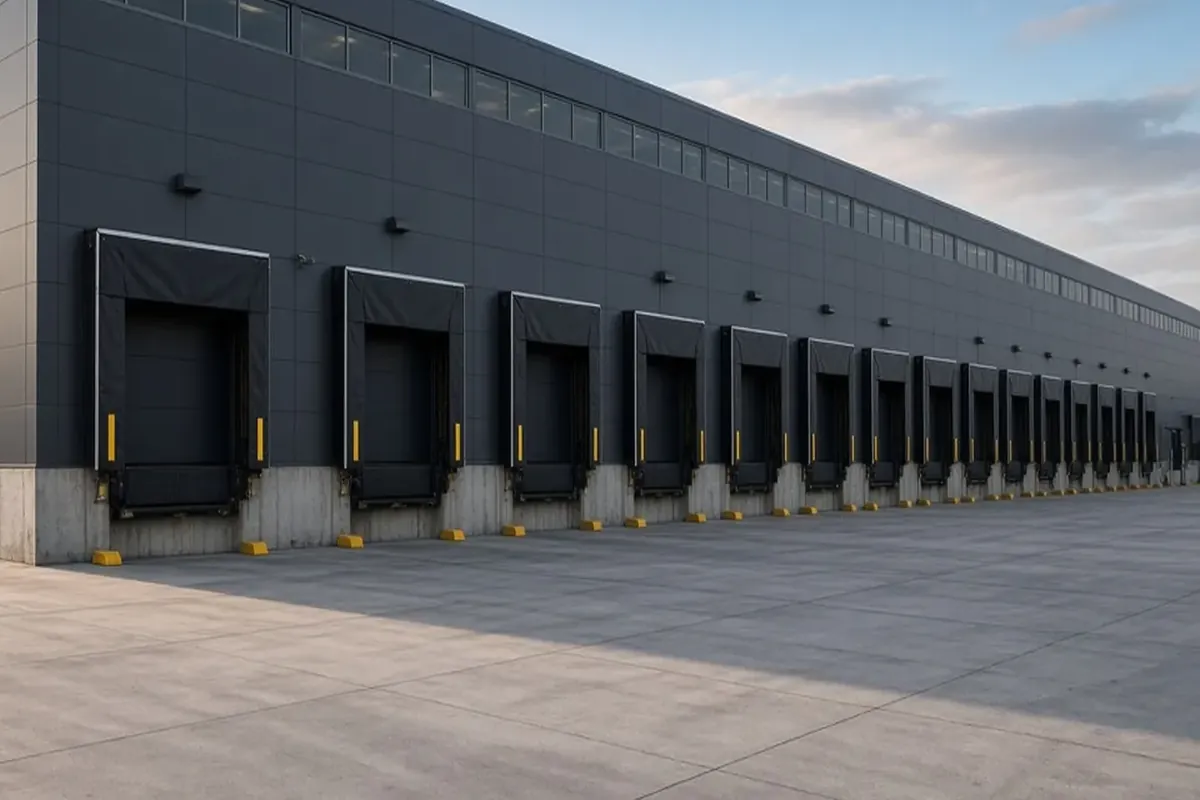
Logistics and industrial advisory, built around the supply chain
Industrial real estate sits at the intersection of goods movement, manufacturing, and e-commerce. Building specifications - clear height, dock-door count, truck court depth, power, and proximity to population and ports - matter as much as the lease.
We advise on single-tenant, multi-tenant, and portfolio assignments - from small-bay flex to big-box distribution - and on the sale-leaseback and capital decisions that often accompany them.
- Single-tenant and multi-tenant dispositions and acquisitions
- Sale-leasebacks and corporate real estate strategy
- Landlord and tenant leasing for distribution and flex
- Debt and equity placement for acquisition, repositioning, and development
What Moves Value in Industrial
The factors our advisors weigh first on every assignment.
Functionality
Clear height, column spacing, dock positions, and truck court depth determine how broadly a building appeals.
Location & Labor
Access to population centers, interstates, ports, and labor shapes tenant demand and rent growth.
Lease Structure
Term, escalations, and credit are central - particularly for single-tenant and net leased assets.
Power & Site
Available power, sprinklers, and site constraints increasingly influence tenant selection and development feasibility.
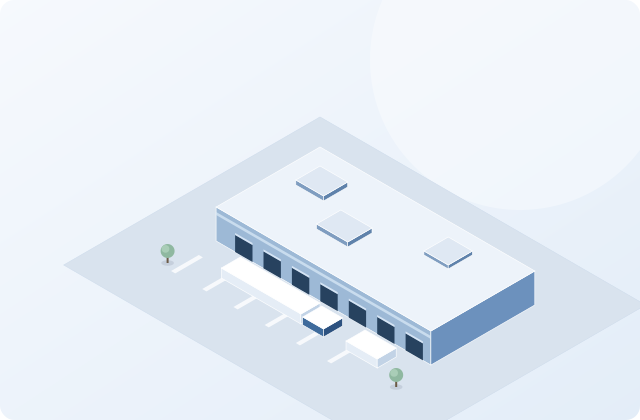
Industrial assignments we regularly advise on
Every building type has its own buyer pool, tenant profile, and capital approach.
- Big-box and regional distribution
- Last-mile and infill logistics
- Small-bay, flex, and light industrial
- Cold storage and specialty industrial
A Disciplined Path from Strategy to Close
Underwrite
Build rent, expense, and capital assumptions around the building and its lease structure.
Position
Define the buyer or tenant universe - users, private capital, institutions, or 1031 buyers.
Market
Targeted outreach with institutional-quality materials and direct follow-up.
Close
Negotiate terms and manage diligence through closing.
Frequently Asked Questions
Do you handle sale-leasebacks?
What drives pricing on single-tenant industrial?
Do you cover small-bay and flex?
Related Sectors
Start a Conversation with a Managing Principal
We respond directly - typically within one business day.
Contact Us (520) 600-7004